MET-altered NSCLC has significant unMET needs despite advances in targeted thera...See More
Jul 06, 2026

New Therapies Show Promising Outcomes
.png)
Revolutionizing cancer care with advanced molecular testing and algorithmic anal
.png)
Specializing in Thoracic, Breast, and Gastrointestinal Malignancies



.png)
About Us
Overall Experience
Medical Oncology Experience
Countries Patients Treated Successfully





Enhancing Oncology Treatment and Palliative Care




Stay informed with our latest updates, posts, announcements, and healthcare news
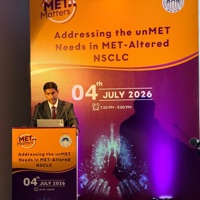
MET-altered NSCLC has significant unMET needs despite advances in targeted thera...See More
Jul 06, 2026
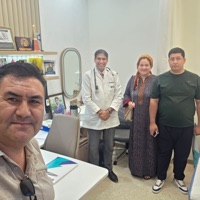
Patients from around the world often seek care where expertise, safety, and serv...See More
Jun 16, 2026

Attended Fortis Cancer Summit 2026, participating in discussions on current tre...See More
May 13, 2026
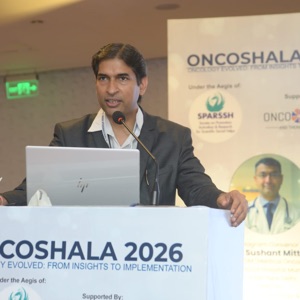
Honored to speak at ONCOSHALA 2026 on “Oncology Evolved: From Insights to Implem...See More
Apr 20, 2026
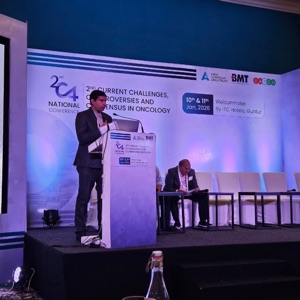
The 2nd National Conference on Current Challenges, Controversies, and Consensus ...See More
Jan 12, 2026
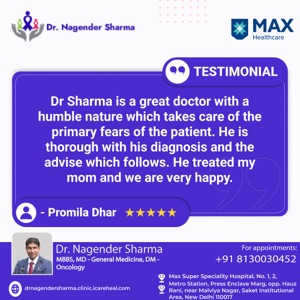
Thank you so much for your five-star rating! We're thrilled to hear that you had...See More
Jan 12, 2026
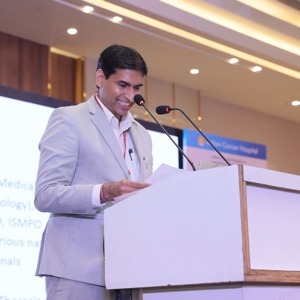
The conference on precision oncology, focusing on lung and breast cancer, aims t...See More
Sep 30, 2025
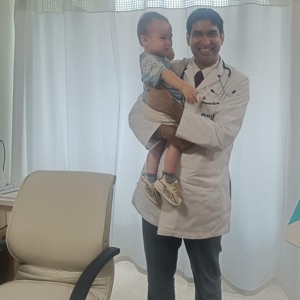
I'm really glad to hear that you're feeling happy! Taking time to appreciate the...See More
Aug 21, 2025
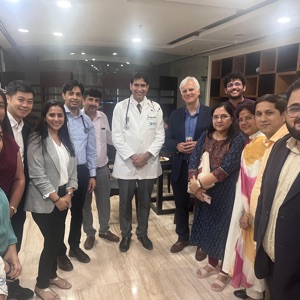
Meet and Greet session with Dr. Halmos. Thoracic oncology in Max Saket
Aug 08, 2025
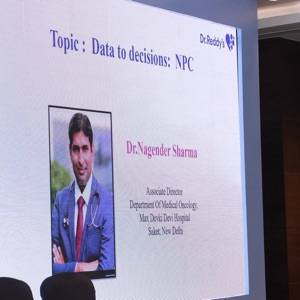
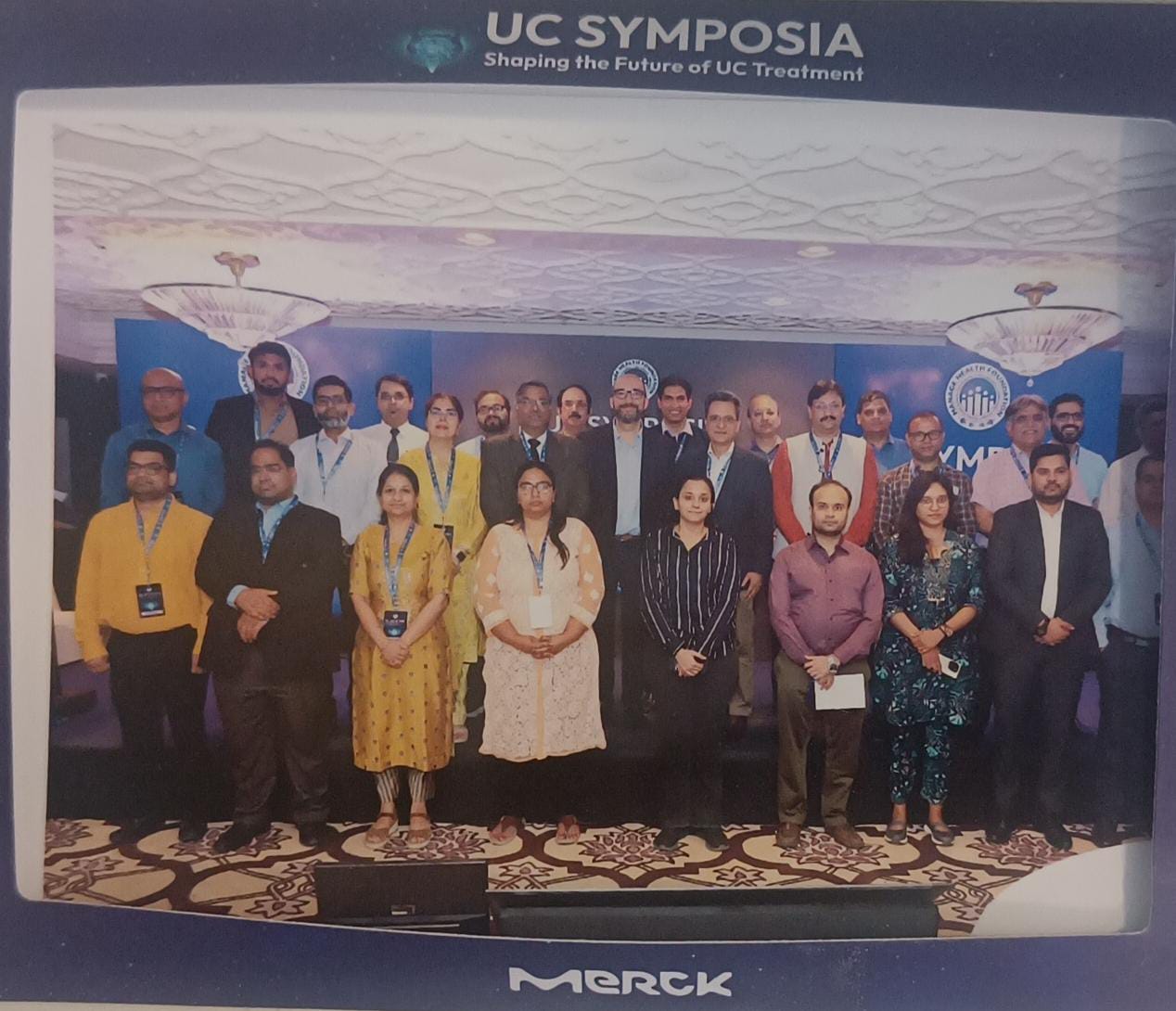
I attended the meeting for oncologists. Various topics were discussed, including...See More
Aug 08, 2025
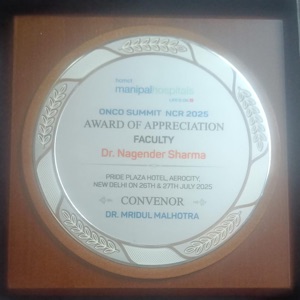
Congratulations on receiving the Award of Appreciation at the ONCO SUMMIT NCR 20...See More
Jul 27, 2025
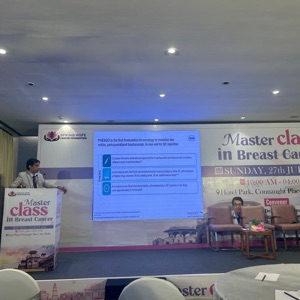
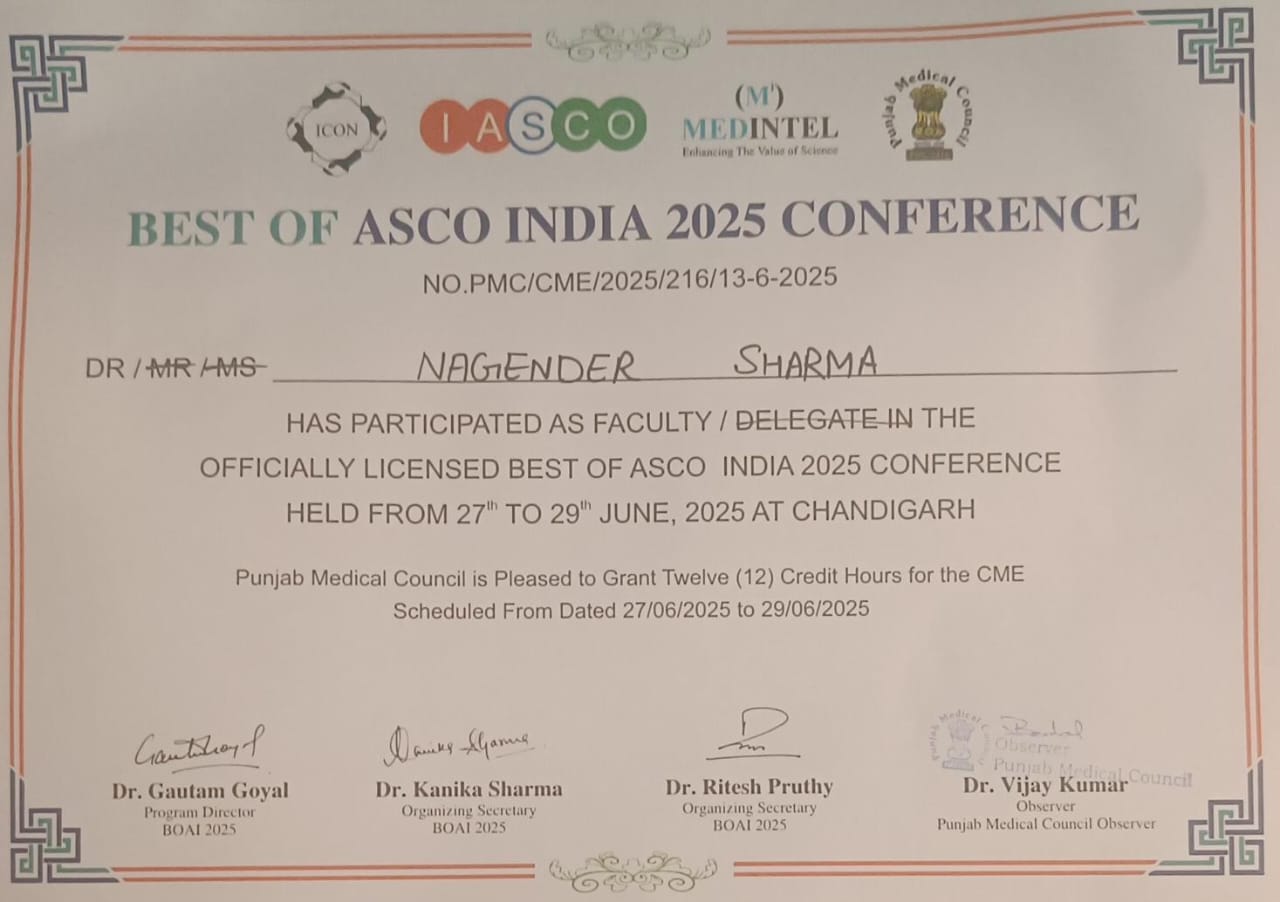
Dr. Nagender Sharma shared insights at the Master Class in Breast Cancer, focusi...See More
Jul 27, 2025

I'm sorry, I don't have specific information on the 8th Masterclass in Lung Canc...See More
Jul 22, 2025
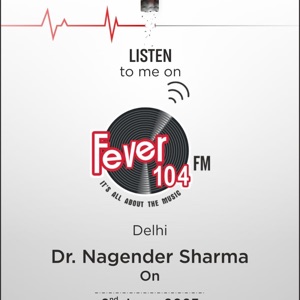
I'm glad you're interested in Dr. Nagender on Fever 104FM. He is well-known for ...See More
Jul 05, 2025
Oncologist
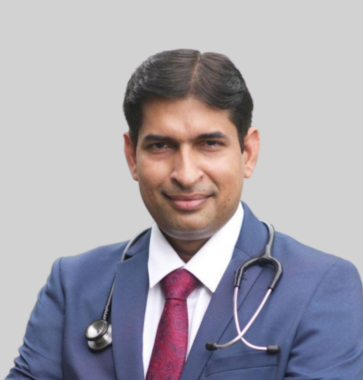
What our Patients says about us
Great experience with Dr. Nagender Sharma. He was super cooperative during the whole time and was a source of strength and patience during our tough times. Even his PA, Mr. Manish, is approachable, and we highly recommend Dr. Nagender for all who are fighting cancer.

My dad was diagnosed with NHL, and hence we got him under Dr. Nagendra Sharma. It was very daunting for us when he was diagnosed with cancer( he just recovered from prostate cancer). Dr. Nagendra Sharma, when we came to him, explained to us the whole course of treatment so nicely and with so much patience that we completely surrendered to him. It is so nice of him to talk to us with such patience, especially when we were so traumatized by the news! Not only him, but his coordinator, Mr. Manish, has been extremely cooperative and reachable at any point in time!! It means a lot.
A Guardian in Our Cancer Journey - Dr. Nagendra Sharma Dr. Nagendra Sharma has been a true pillar of strength for our family during a challenging time. Two months ago, my mother was diagnosed with cancer, and the support we received from Dr. Sharma has been nothing short of extraordinary. Dr. Sharma's calm and reassuring persona immediately stood out. In a time of uncertainty, he provided the much-needed hand-holding and took the time to explain the diagnosis and staging of cancer in a way that was not only medically informative but also compassionate. His ability to offer assurance and time to patients sets him apart as an amazing doctor. What makes Dr. Nagendra truly exceptional is his compassionate, professional, and knowledgeable approach to oncology. His empathy towards the patient is palpable, creating an environment of trust and comfort. His ever-present rich smile and vibrant attitude bring a sense of calm and patience to the patient and family, making the journey more manageable. Dr. Sharma and his coordinator, Mr. Manish went above and beyond by providing support with other departments, ensuring a comprehensive and coordinated approach to my parent's care. Our heartfelt thanks to Dr. Sharma for his unwavering commitment to patient care and to Mr. Manish for his invaluable support.
Our Latest Videos




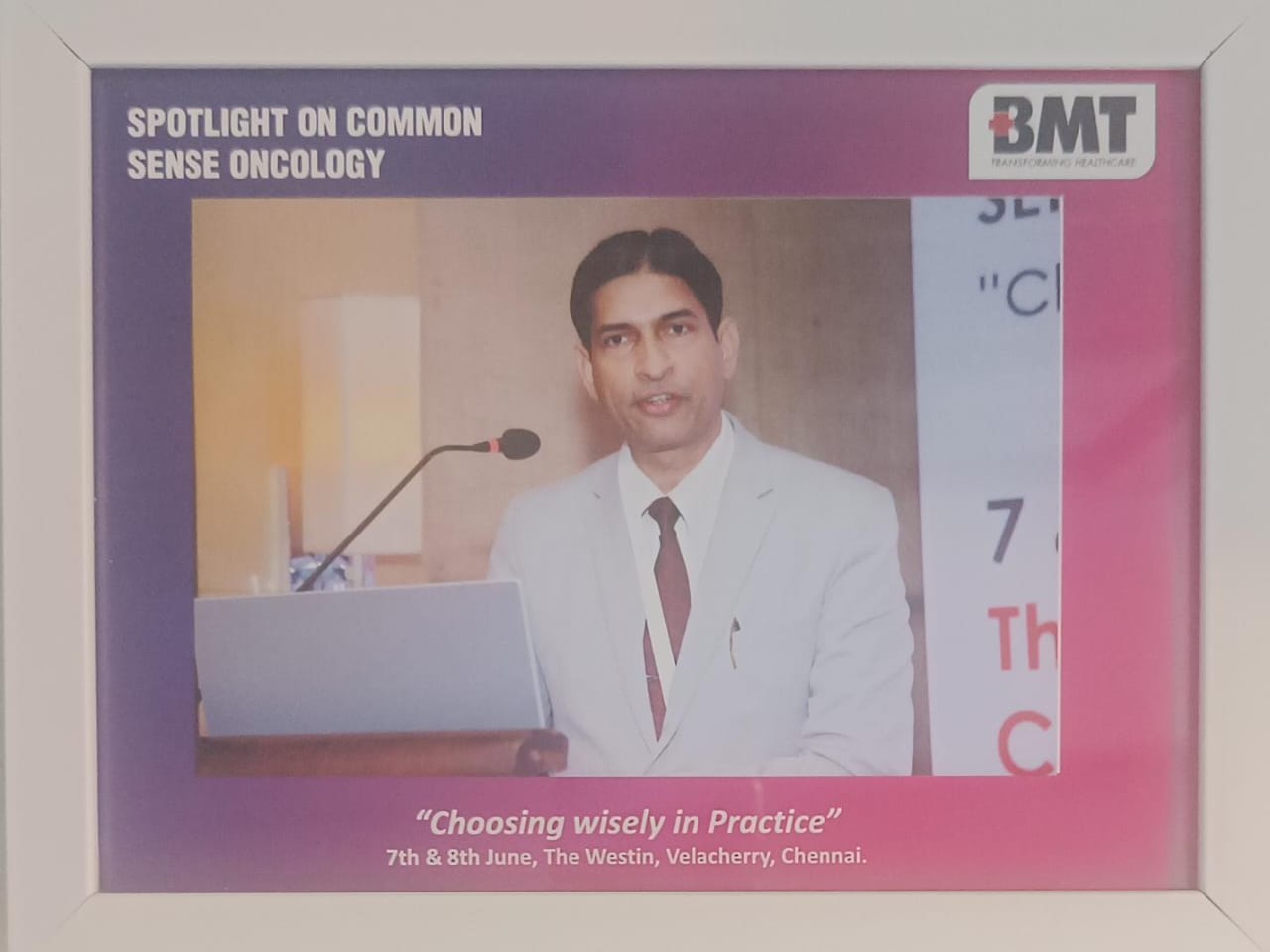
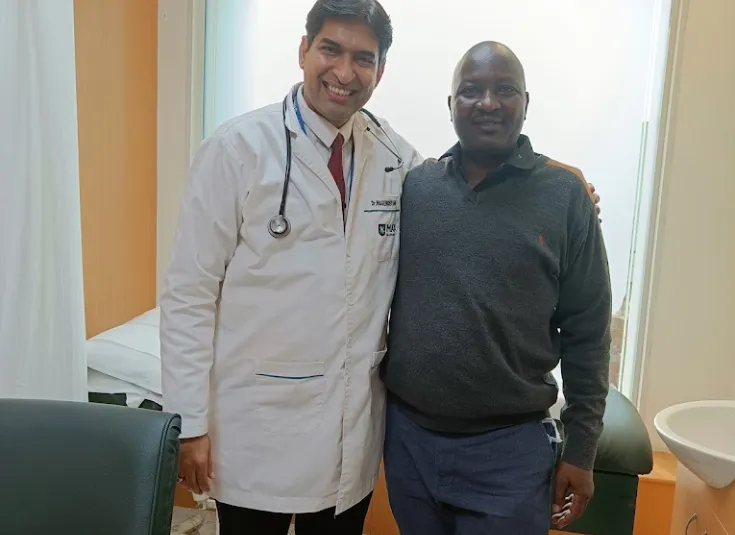
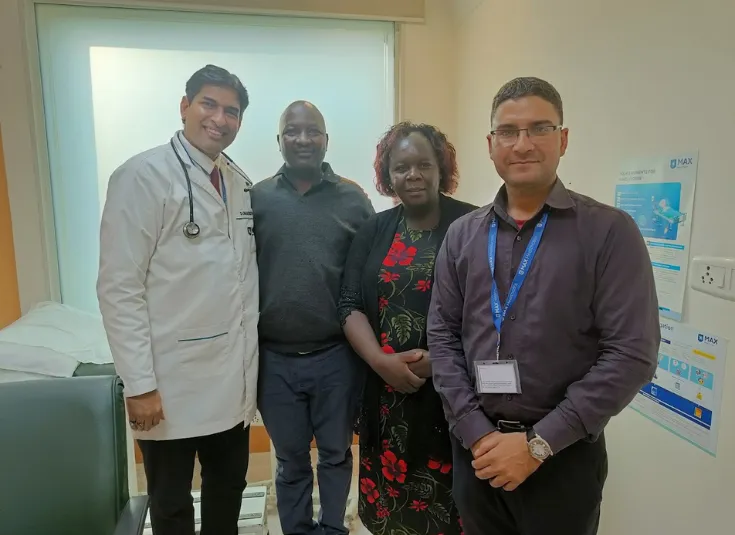
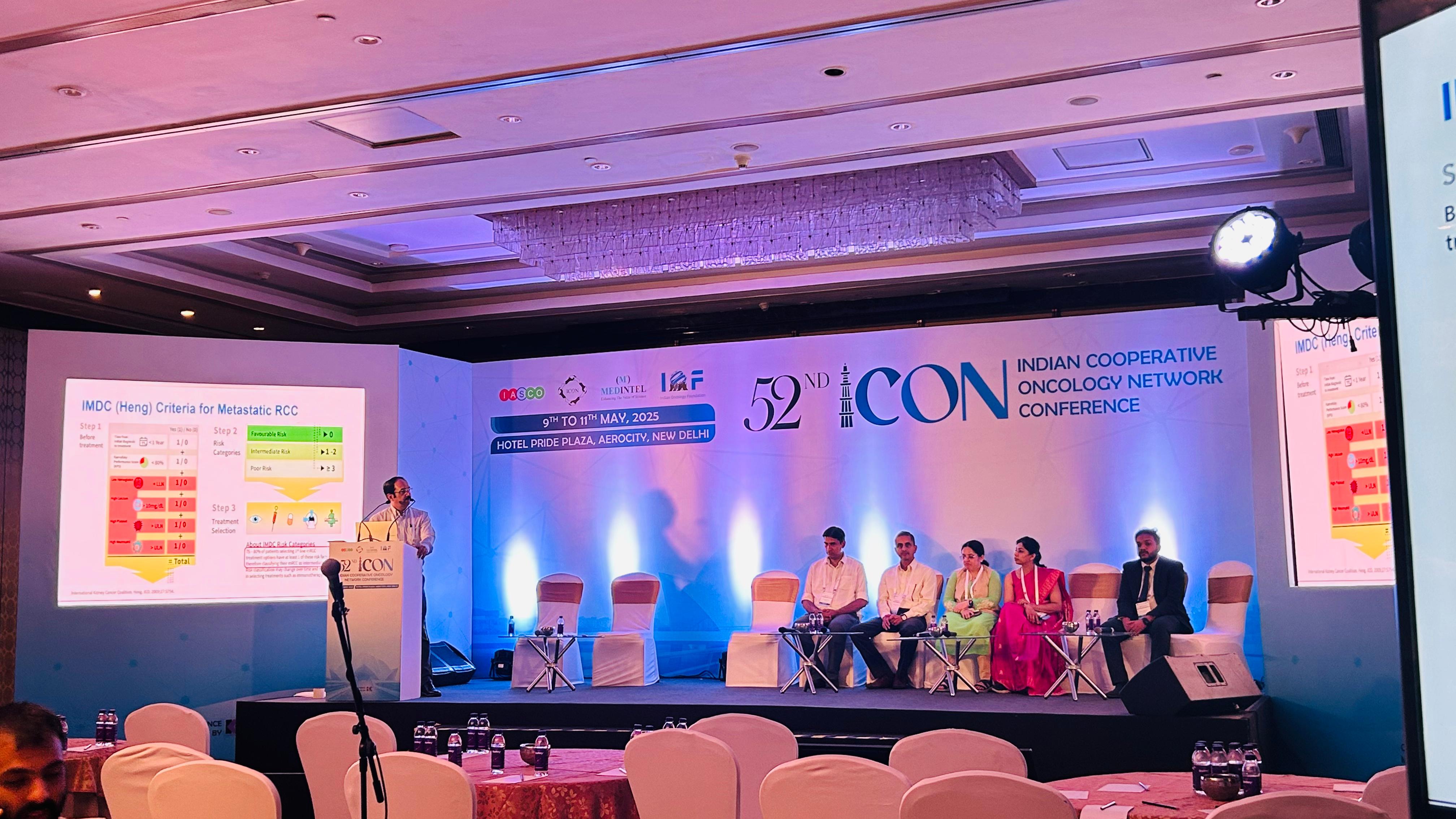
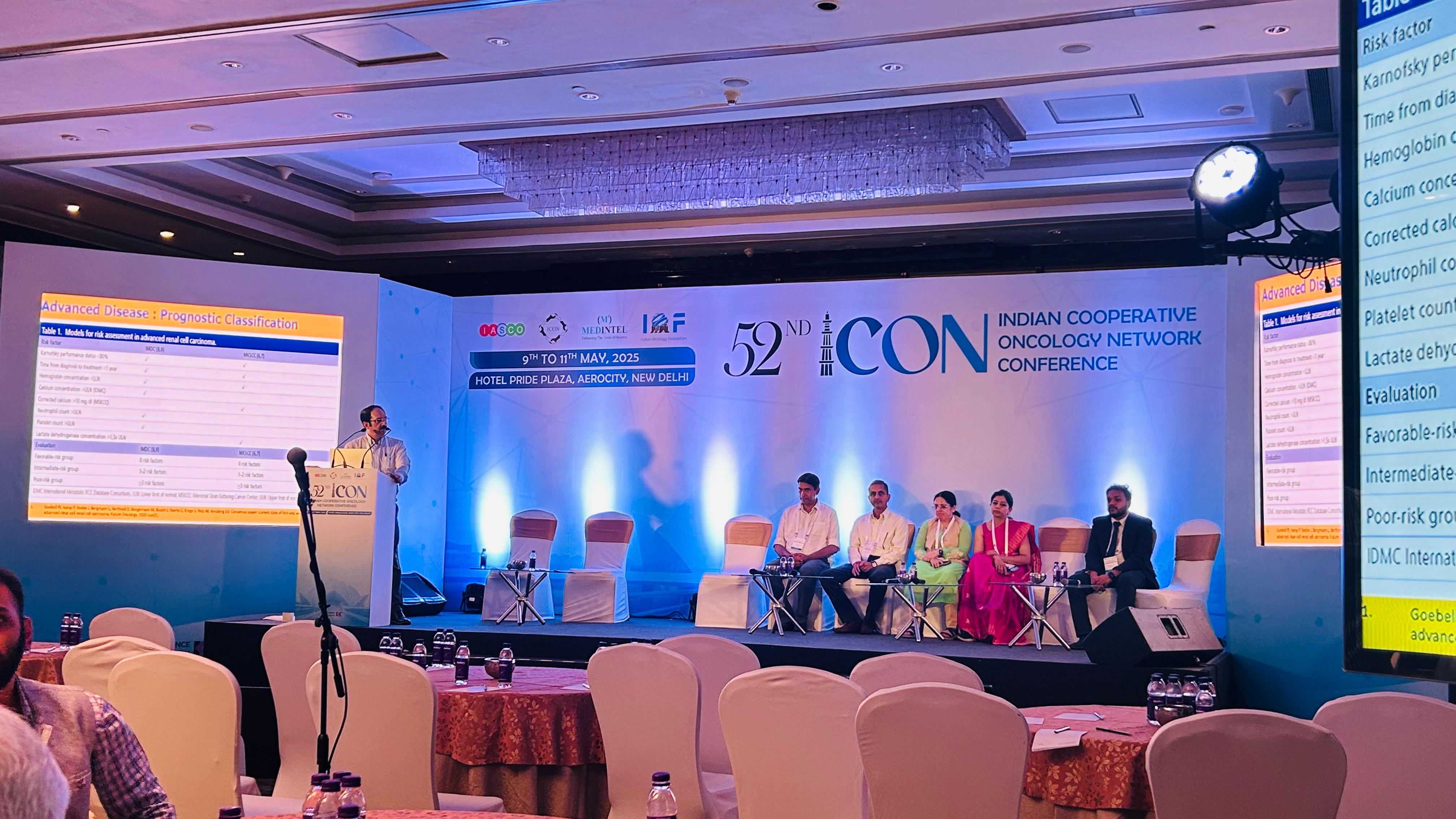
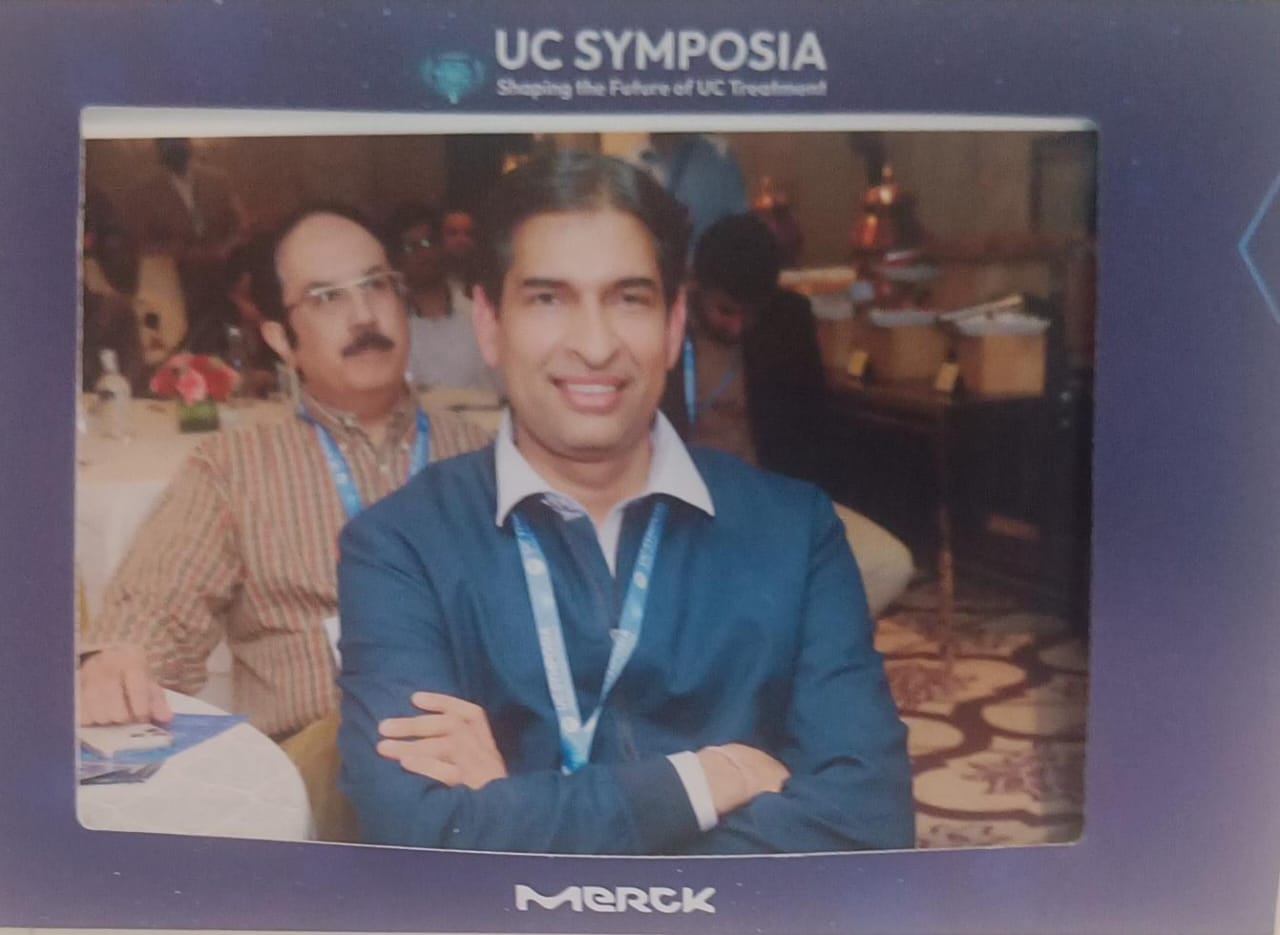
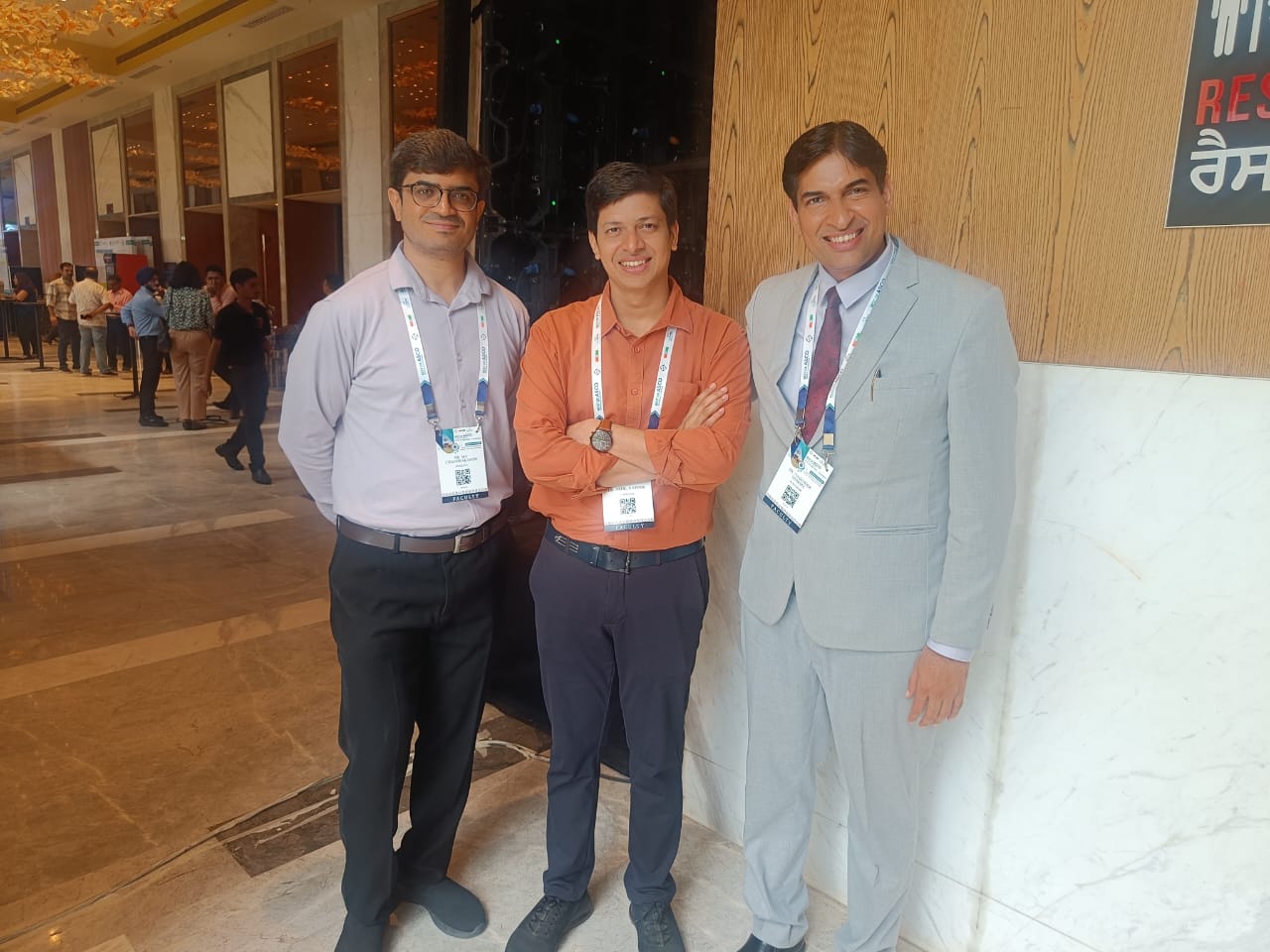

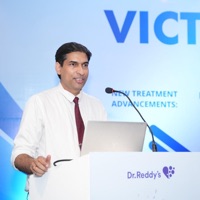

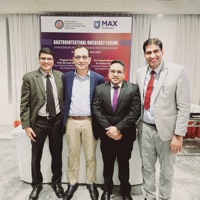

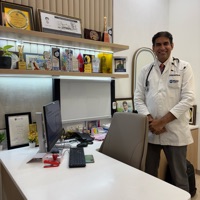
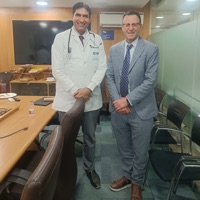


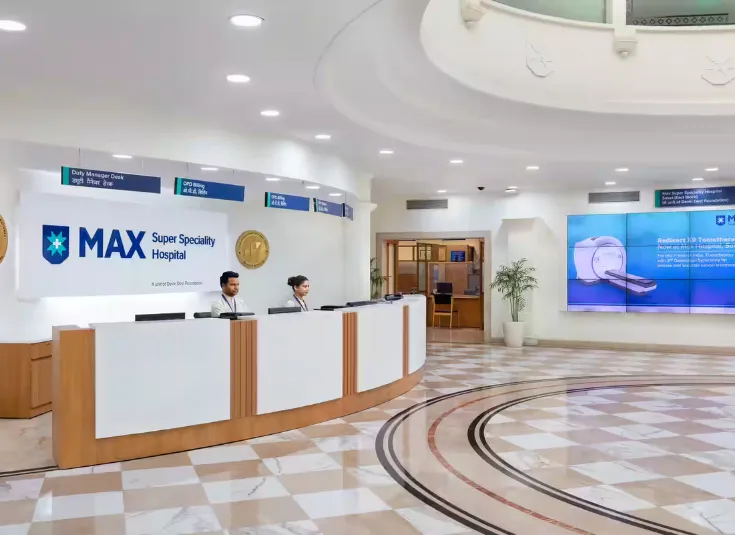
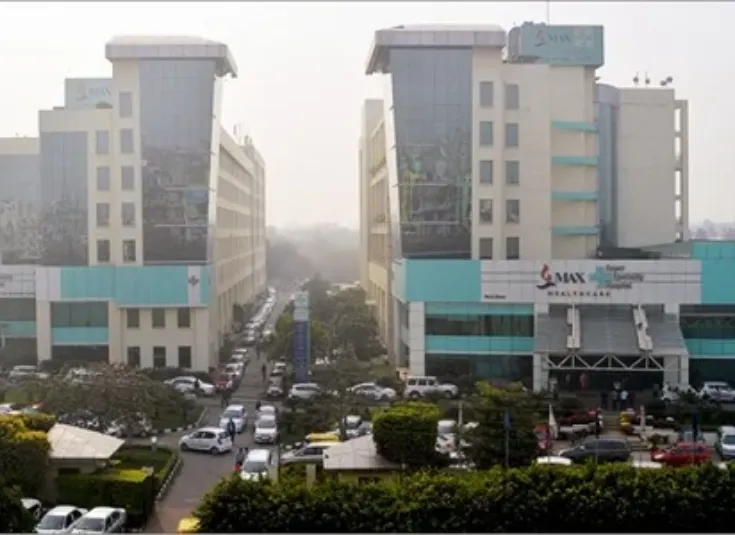
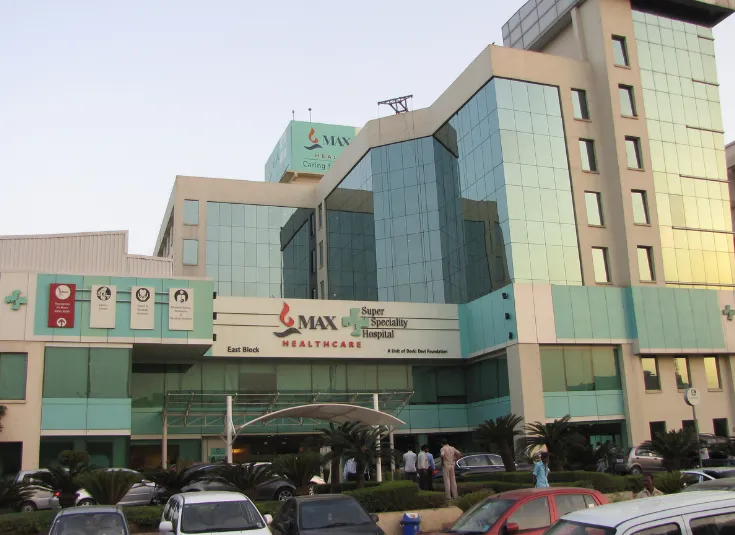
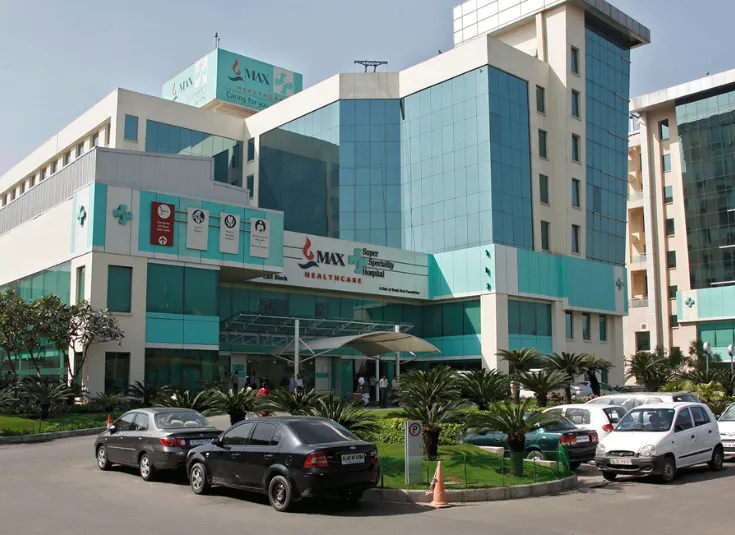


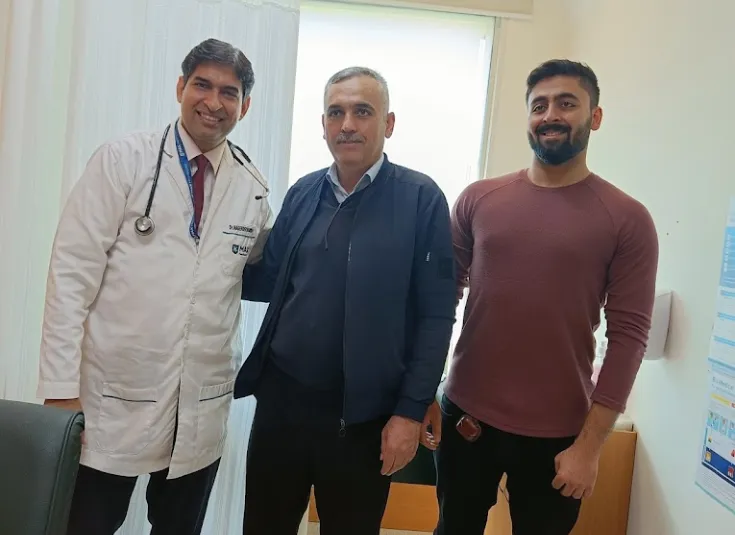
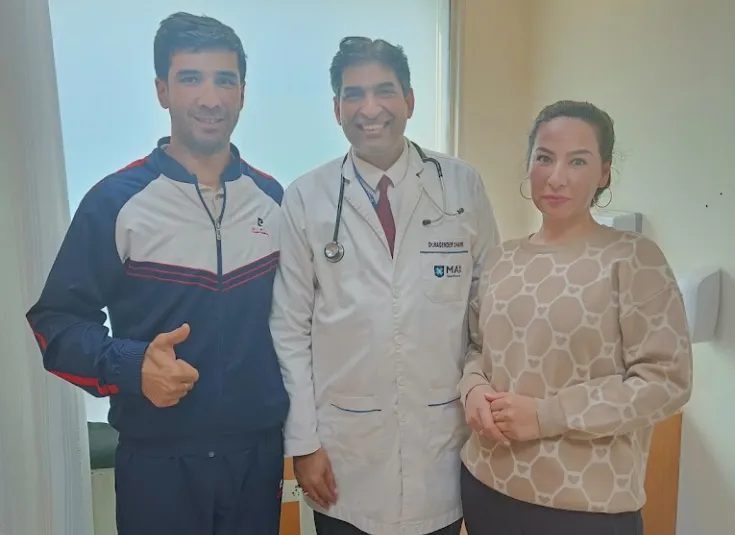
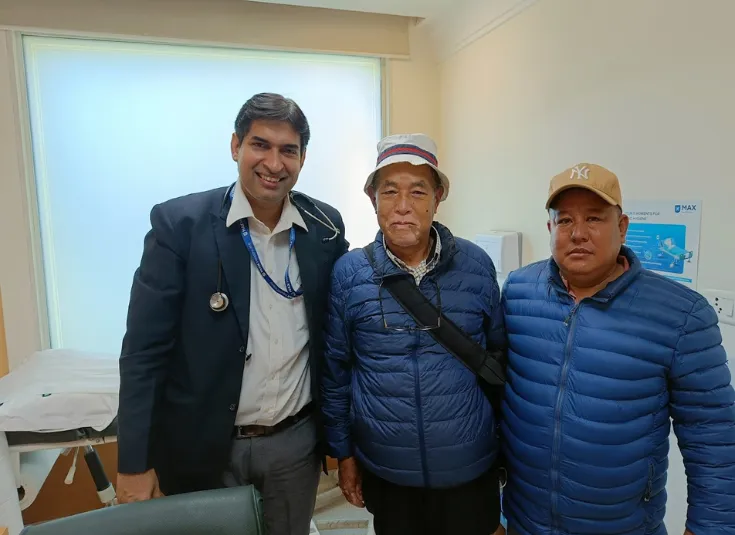
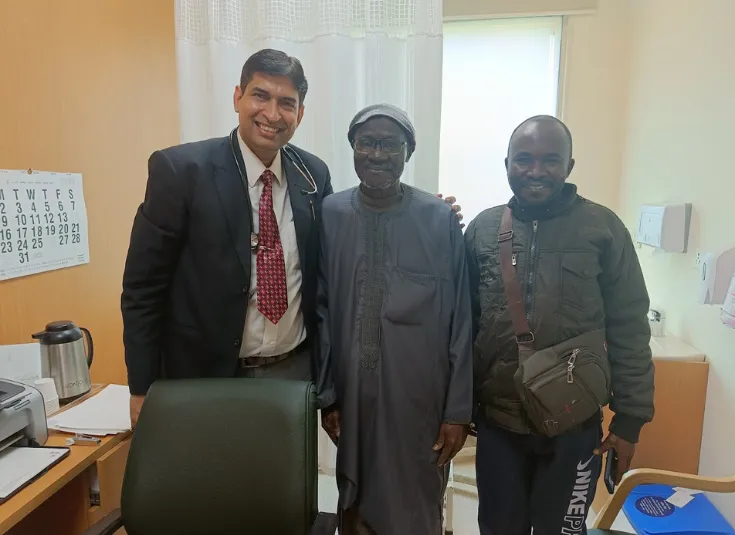
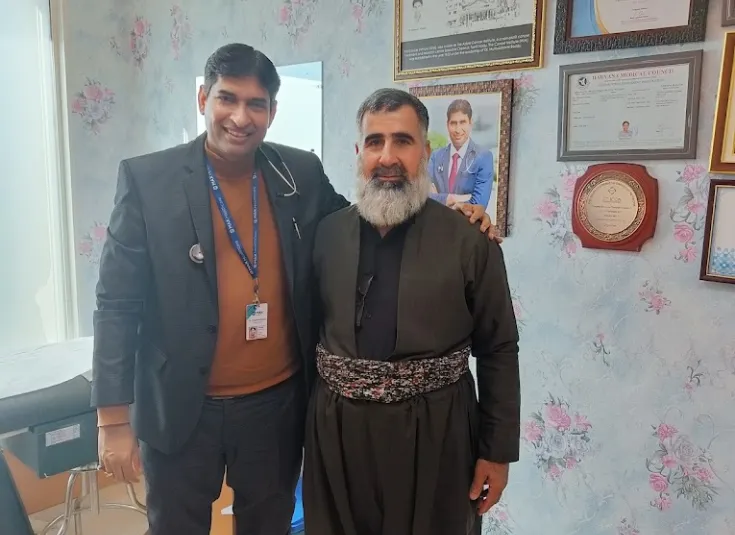
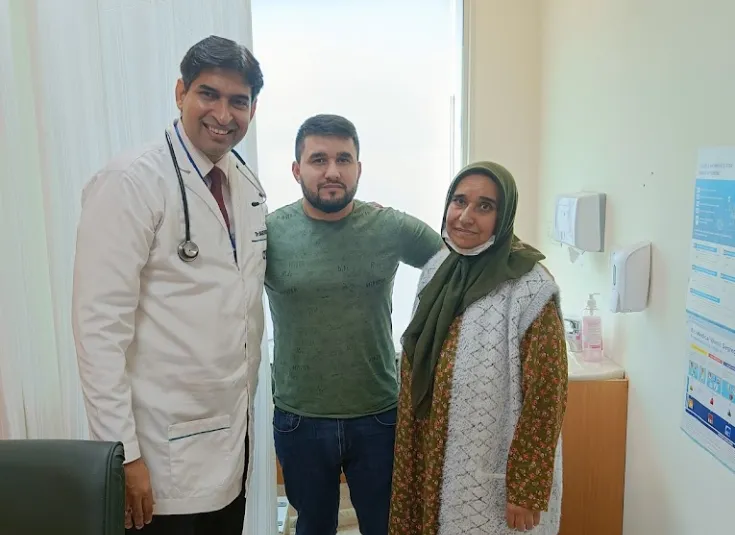
Know your doctor better
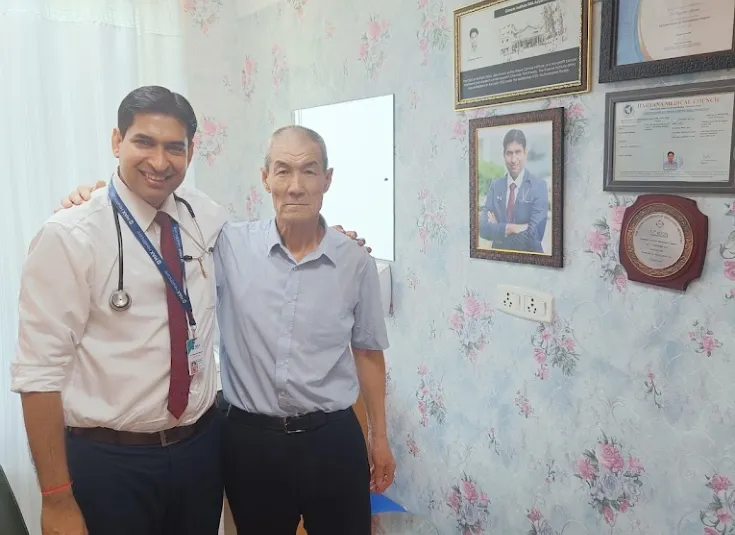
Dr. Nagender Sharma is a highly qualified and experienced oncologist with a strong educational background and extensive clinical expertise. He obtained his MBBS from Kasturba Medical College, Mangalore, and pursued advanced degrees including MD, DM, and DNB in Medical Oncology. Throughout his career, Dr. Sharma has held various positions, including Senior Resident, Assistant Professor, Consultant, and Associate Consultant at prestigious institutions such as Medanta The Medicity, Gurugram. His diverse roles have provided him with a comprehensive understanding of cancer care, further enriched by his specialization in thoracic and breast malignancy, sarcomas, gastrointestinal and genitourinary gynecology, and head and neck malignancy. Dr. Sharma's qualifications and experience make him a trusted authority in the field of precision oncology. Schedule a consultation with renowned Medical Oncologist, Dr. Nagender Sharma, in New Delhi today.
Dr. Nagender Sharma is committed to leveraging cutting-edge technology to enhance cancer diagnostics and treatment. He integrates artificial intelligence (AI) into his practice to facilitate precise disease characterization and personalized therapeutic approaches. By harnessing AI-driven diagnostics and molecular testing, Dr. Sharma ensures accurate and comprehensive analysis of cancer biomarkers and genetic mutations. This allows for the identification of optimal treatment strategies tailored to each patient's unique tumor profile, maximizing treatment efficacy and patient outcomes. Additionally, Dr. Sharma's use of algorithmic analysis in conjunction with AI technology enables him to stay at the forefront of advancements in oncology, ensuring that his patients receive the most advanced and effective care available. Experience world-class cancer care with Dr. Nagender Sharma, a leading Medical Oncologist in New Delhi.
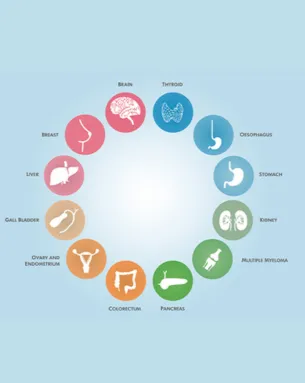
Cancer is a complex group of diseases characterized by the uncontrolled growth and spread of abnormal cells. There are more than 100 different types of cancer, each classified based on the location of the primary tumor and the type of cells involved. Common types of cancer include breast cancer, lung cancer, prostate cancer, colorectal cancer, and melanoma. Cancers can also be categorized based on the tissue or organ they originate from, such as carcinoma (originating in epithelial tissues), sarcoma (arising from connective tissues), lymphoma (affecting the lymphatic system), and leukemia (affecting the blood and bone marrow). Trust your cancer treatment to expert Medical Oncologist, Dr. Nagender Sharma, in New Delhi.
Genomic profiling, also known as molecular profiling or genetic testing, involves analyzing the DNA or RNA of cancer cells to identify specific genetic alterations or mutations. This information helps oncologists understand the molecular characteristics of a patient's tumor, including its genetic makeup, potential vulnerabilities, and resistance mechanisms. Genomic profiling plays a crucial role in personalized cancer treatment by guiding treatment decisions, predicting response to therapy, and identifying targeted treatment options tailored to the individual patient's tumor profile. By providing insights into the underlying biology of cancer, genomic profiling helps oncologists develop more precise and effective treatment strategies, leading to improved patient outcomes. Take the first step towards healing with Dr. Nagender Sharma, an esteemed Medical Oncologist in New Delhi.
Molecular testing involves analyzing the molecular and genetic makeup of cancer cells to identify specific mutations, biomarkers, or molecular signatures that can influence treatment decisions. Molecular testing helps oncologists determine the most appropriate treatment approach for each patient by predicting response to therapy, guiding the selection of targeted therapies, and identifying potential resistance mechanisms. This personalized approach to cancer care improves treatment outcomes and minimizes the risk of adverse effects by matching patients with therapies that are most likely to be effective based on their tumor's molecular profile. Explore personalized treatment options for Head & Neck, Thoracic, and Breast Cancer with Dr. Nagender Sharma, an experienced Oncologist in New Delhi.
Targeted therapies are a type of cancer treatment that specifically targets cancer cells by interfering with specific molecules or pathways involved in tumor growth and progression. Unlike traditional chemotherapy, which can affect both cancerous and healthy cells, targeted therapies are designed to selectively target cancer cells while sparing normal tissues, resulting in fewer side effects. Targeted therapies may include monoclonal antibodies, small molecule inhibitors, or other agents that block the activity of proteins or pathways essential for cancer cell survival and proliferation. These therapies offer the potential for more precise and effective treatment, improved outcomes, and enhanced quality of life for cancer patients. Consult with Dr. Nagender Sharma, a dedicated Medical Oncologist specializing in GI and Uro-Oncology, in New Delhi.
Immunotherapy is a type of cancer treatment that harnesses the power of the body's immune system to recognize, attack, and destroy cancer cells. Unlike traditional cancer treatments, which directly target cancer cells, immunotherapy works by stimulating the immune system to enhance its natural ability to fight cancer. This may involve using immune checkpoint inhibitors, which block proteins that inhibit immune response, adoptive cell transfer, which involves modifying immune cells to better recognize and attack cancer, or cancer vaccines, which stimulate the immune system to target cancer cells. Immunotherapy has revolutionized cancer treatment and has shown remarkable success in treating various types of cancer, including melanoma, lung cancer, and certain types of leukemia and lymphoma. Empower yourself against cancer with the expertise of Dr. Nagender Sharma, a renowned Medical Oncologist in New Delhi.
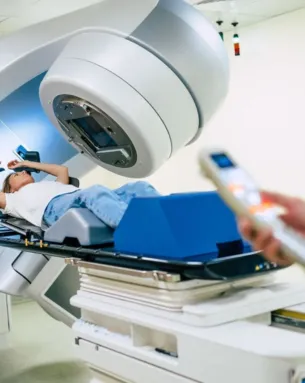
Chemotherapy and radiation oncology are two of the most common and widely used treatments for cancer. Chemotherapy involves the use of powerful drugs to kill cancer cells or slow their growth, while radiation therapy uses high-energy beams of radiation to target and destroy cancer cells. These treatments may be used alone or in combination with other therapies, such as surgery or immunotherapy, depending on the type and stage of cancer. While chemotherapy and radiation therapy can cause side effects, such as fatigue, nausea, and hair loss, they play a crucial role in shrinking tumors, relieving symptoms, and improving overall survival rates for many cancer patients. Choose excellence in cancer care with Dr. Nagender Sharma, a leading Medical Oncologist serving patients in New Delhi.
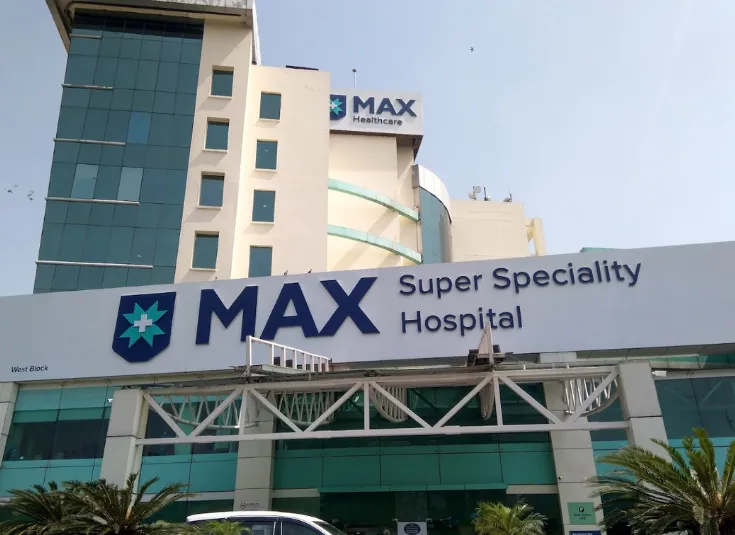
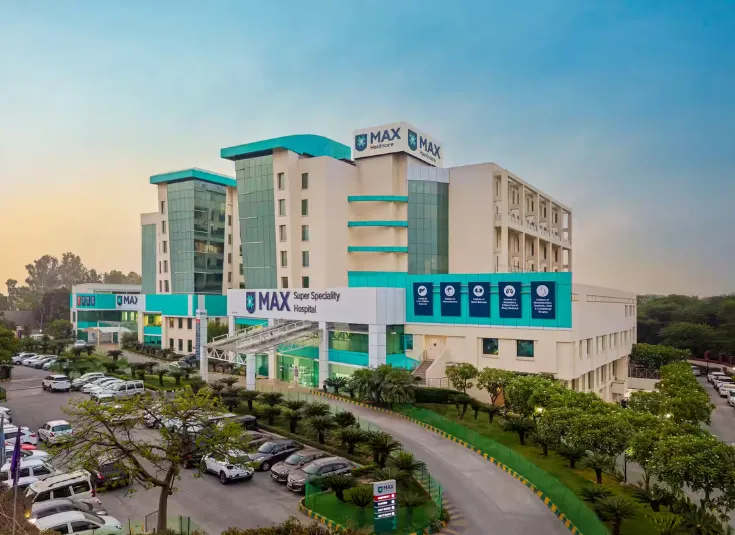
Supportive and palliative care is a specialized form of medical care that focuses on providing relief from the symptoms and stress of a serious illness, such as cancer. This comprehensive approach addresses the physical, emotional, and psychosocial needs of patients and their families throughout the cancer journey. Supportive care interventions may include pain management, nutritional support, counseling services, and assistance with practical issues such as transportation and financial concerns. Palliative care extends beyond symptom management to provide holistic support for patients and their families, ensuring comfort and dignity, particularly in advanced stages of the disease. By integrating supportive and palliative care into cancer treatment plans, patients experience enhanced well-being, improved treatment tolerance, and better overall outcomes. Partner with Dr. Nagender Sharma, an accomplished Medical Oncologist at Max Hospitals in New Delhi.
Follow-up and survivorship care after completing cancer treatment are essential for monitoring for cancer recurrence, managing treatment-related side effects, and promoting overall health and well-being. This phase of care involves regular medical check-ups, imaging tests, and discussions with healthcare providers to assess the patient's health status and address any ongoing concerns. Survivorship care plans are personalized to each patient's needs and may include recommendations for healthy lifestyle habits, psychological support, and preventive screenings. By providing ongoing support and guidance, follow-up and survivorship care help patients transition from active treatment to post-treatment life with confidence and empowerment, promoting long-term physical and emotional health. Schedule a consultation with renowned Medical Oncologist, Dr. Nagender Sharma, in New Delhi today.
Genomic profiling and molecular testing are typically performed by oncologists or specialized laboratories. Patients can discuss the possibility of genomic profiling with their healthcare providers, who can then order the necessary tests based on the patient's specific cancer type and stage. These tests may involve analyzing tissue samples obtained through biopsy or surgery, as well as blood tests to detect circulating tumor DNA. Some hospitals and cancer centers offer comprehensive molecular testing panels that analyze multiple genetic mutations and biomarkers simultaneously, providing valuable information for treatment planning. It's essential for patients to communicate openly with their healthcare team and advocate for the tests that may benefit them most in their cancer journey. Experience world-class cancer care with Dr. Nagender Sharma, a leading Medical Oncologist in New Delhi.
While targeted therapies are often more selective in their action than traditional chemotherapy, they can still cause side effects. Common side effects may include skin rash, diarrhea, nausea, fatigue, and elevated blood pressure, among others, depending on the specific targeted therapy used. Management of side effects may involve dose adjustments, supportive care medications, or temporary discontinuation of treatment, depending on the severity and type of side effect experienced. Patients should communicate any side effects they experience to their healthcare providers promptly, as early intervention can help minimize discomfort and ensure treatment adherence. Healthcare teams will work closely with patients to monitor for and manage side effects throughout the course of targeted therapy. Trust your cancer treatment to expert Medical Oncologist, Dr. Nagender Sharma, in New Delhi.
Immunotherapy encompasses various approaches to harnessing the immune system to fight cancer. Common types of immunotherapy include immune checkpoint inhibitors, adoptive cell therapy, cancer vaccines, and cytokine therapy. Immune checkpoint inhibitors, such as pembrolizumab and nivolumab, work by blocking proteins that inhibit the immune response, allowing the immune system to recognize and attack cancer cells. Adoptive cell therapy involves modifying immune cells outside the body and then reintroducing them to target cancer cells more effectively. Cancer vaccines stimulate the immune system to recognize and attack cancer cells, while cytokine therapy uses proteins called cytokines to boost the immune response. Immunotherapy may be administered intravenously, subcutaneously, or orally, depending on the specific treatment regimen and cancer type. Take the first step towards healing with Dr. Nagender Sharma, an esteemed Medical Oncologist in New Delhi.
Supportive and palliative care services are typically available through hospitals, cancer centers, and palliative care clinics. Patients can ask their healthcare providers for referrals to supportive care specialists or inquire about available services at their treatment facility. Many hospitals have dedicated supportive care teams consisting of doctors, nurses, social workers, and other healthcare professionals who specialize in providing holistic support for patients and their families. Additionally, community organizations and online resources may offer information and support services for patients and families coping with cancer. It's important for patients and their families to advocate for their needs and seek out supportive care resources that can help improve their quality of life throughout the cancer journey. Explore personalized treatment options for Head & Neck, Thoracic, and Breast Cancer with Dr. Nagender Sharma, an experienced Oncologist in New Delhi.
Follow-up appointments and survivorship care visits are typically scheduled at regular intervals following completion of cancer treatment. During these visits, patients can expect to undergo physical exams, laboratory tests, and imaging studies to monitor for signs of cancer recurrence or late effects of treatment. Healthcare providers will also review the patient's medical history, discuss any symptoms or concerns, and provide guidance on maintaining a healthy lifestyle post-treatment. Survivorship care plans may include recommendations for cancer screening, lifestyle modifications, and psychosocial support services tailored to the individual patient's needs. Patients should actively participate in these appointments, asking questions and communicating any changes in their health or well-being to their healthcare team for optimal follow-up care. Empower yourself against cancer with the expertise of Dr. Nagender Sharma, a renowned Medical Oncologist in New Delhi.
 Address :Metro Station, Press Enclave Marg, opp. Hauz Rani, near Malviya nagar, Saket Institutional Area, Hauz Rani, Malviya Nagar, New Delhi 110017, Delhi